

EXCLUSIVE: Diddy Gets Support From University Professors Aiding Fight In Appeal
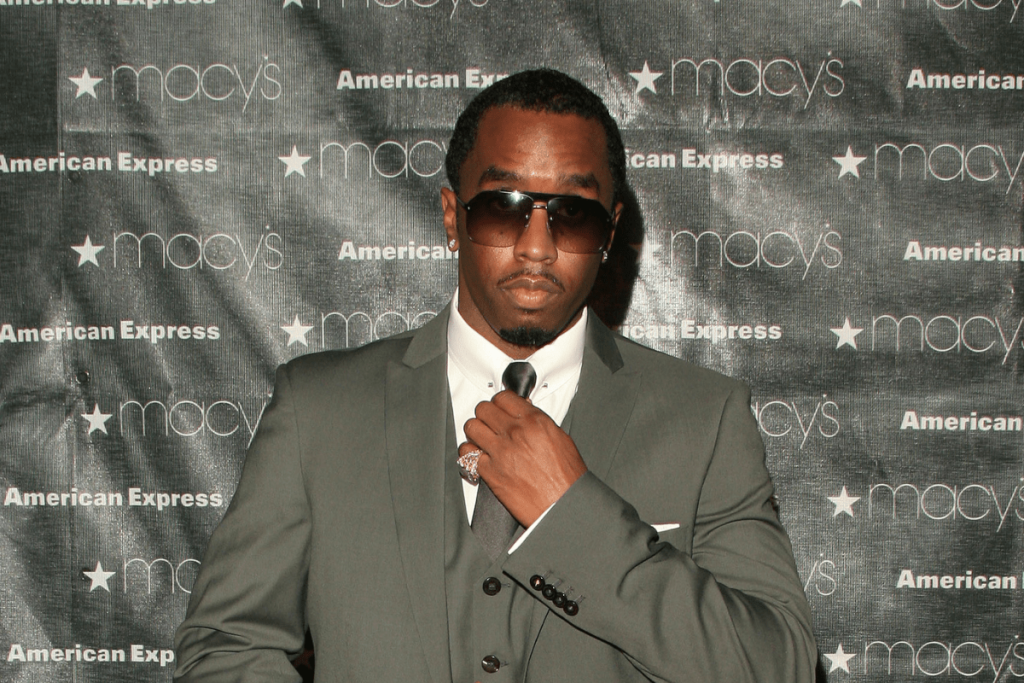
Diddy-4.png” />
Diddy/”>Diddy simply picked up some surprising heavy hitters in his authorized combat to get out of jail, and they aren’t music-industry pals or celeb supporters.
The authorized mind belief going to bat for Diddy is: Professor Douglas A. Berman of The Ohio State University, Professor John Blume of Cornell Law School and The Honorable John Gleeson, Retired (E.D.N.Y.), Adjunct Professor at New York University of Law.
The regulation professors who argue {that a} federal choose overstepped by sentencing him on the idea of claims {that a} jury had already rejected.
In a newly filed temporary with the U.S. Court of Appeals for the Second Circuit, the professors urged the courtroom to vacate Diddy’s sentence and remand the case for a brand new listening to. They argue that the choose relied on accusations that jurors unanimously discovered not confirmed.
The professors say the problem is easy. A jury’s determination ought to matter.
“Sean Combs chose to trust a federal jury to decide whether the sovereign got it right,” the professors wrote. “The verdicts largely vindicated his faith in our jury system.”
Jurors cleared Diddy of probably the most severe costs in his case. They convicted him only on two counts under the Mann Act. Those costs usually end in a lot shorter jail sentences than the one imposed, in keeping with the submitting.
Diddy-demands-to-be-released-from-prison-just-in-time-for-christmas/”>Despite these acquittals, the sentencing choose handled the rejected allegations as correct and used them to extend Diddy’s jail time period, the professors mentioned.
The professors argue that the transfer undercuts the jury’s role and ignores current modifications to federal sentencing guidelines.
“Not guilty means not guilty,” the U.S. Sentencing Commission chair mentioned when asserting a 2024 rule change that limits the usage of acquitted conduct. The professors quoted that line repeatedly of their submitting.
The new rule was supposed to forestall judges from punishing defendants for costs they received at trial. The professors say that it didn’t occur in his case.
Instead, they wrote, the choose relied on what the courtroom believed had “really happened,” regardless that the jury rejected that account. The temporary states that the method produced a sentence far longer than the convictions alone would warrant.
“Federal prosecutors wished to see Mr. Combs punished for the charges they had failed to prove,” the professors wrote. They argue the courtroom adopted the prosecution’s view after the trial ended, successfully undoing the jury’s work.
“The district court did so, resolving core factual disputes contrary to the verdicts,” the submitting states.
The professors argue that this apply sends a troubling message to the general public, notably in a high-profile case.
“Acquittals, in these cases, become inconsequential formalities with no meaningful effect on the state’s ability to punish,” the temporary states.
They warn that final result dangers weakening belief within the justice system.
“Only a jury, acting on proof beyond a reasonable doubt, may take a person’s liberty,” the professors wrote. “That promise stands as one of the Constitution’s most vital protections against arbitrary government.”
The professors additionally targeted on how federal regulation governs sentencing. They argue that Congress supposed punishment to replicate the crime of conviction, not the costs that failed.
They famous that sentencing regulation repeatedly ties punishment to “the offense” for which a defendant was discovered responsible, somewhat than to allegations rejected by the jury. Using acquitted conduct, they argue, does the other. The temporary notes that sentencing based mostly on rejected claims may end up in broad disparities amongst defendants convicted of comparable crimes.
That runs in opposition to the objective of equity, the professors wrote, and makes sentences tougher to elucidate to the general public. The professors additionally warned that this apply might discourage jury service. If verdicts will be brushed apart later, jurors might query whether or not their position issues in any respect, they mentioned. That concern is stronger in circumstances like Diddy’s, which drew nationwide consideration and every day protection.
“The national audience heard the district court override the jury’s factual findings,” the professors wrote. “Mr. Combs’s sentence risks promoting disrespect for the law.”
They warned that many individuals might stroll away believing the jury’s determination carried little weight. The professors are usually not asking the appeals courtroom to free Diddy outright. Instead, they search an order from the courtroom directing a brand new sentencing listening to, with out reliance on the acquitted conduct.
They argue the appeals courtroom can do this with out making a broad constitutional ruling.
“Interpreting the sentencing rules to allow acquitted conduct to drive the sentence would drain the jury trial promise of real meaning,” the temporary states.
Diddy’s enchantment remains to be pending. The Second Circuit has not mentioned when it’s going to rule.
The professors’ submitting provides new stress on the courtroom and reframes the case as a take a look at of whether or not jury verdicts nonetheless carry actual pressure in federal sentencing.
Related
Diddy-gets-support-from-university-professors-aiding-fight-in-appeal/”>Source hyperlink
Categories News
Tags Aiding appeal Diddy Exclusive fight Professors Support University