

DMX 55: Chuck “Jigsaw” Creekmur Reflects On X’s Grit, Faith & Eternal Hip-Hop Impact
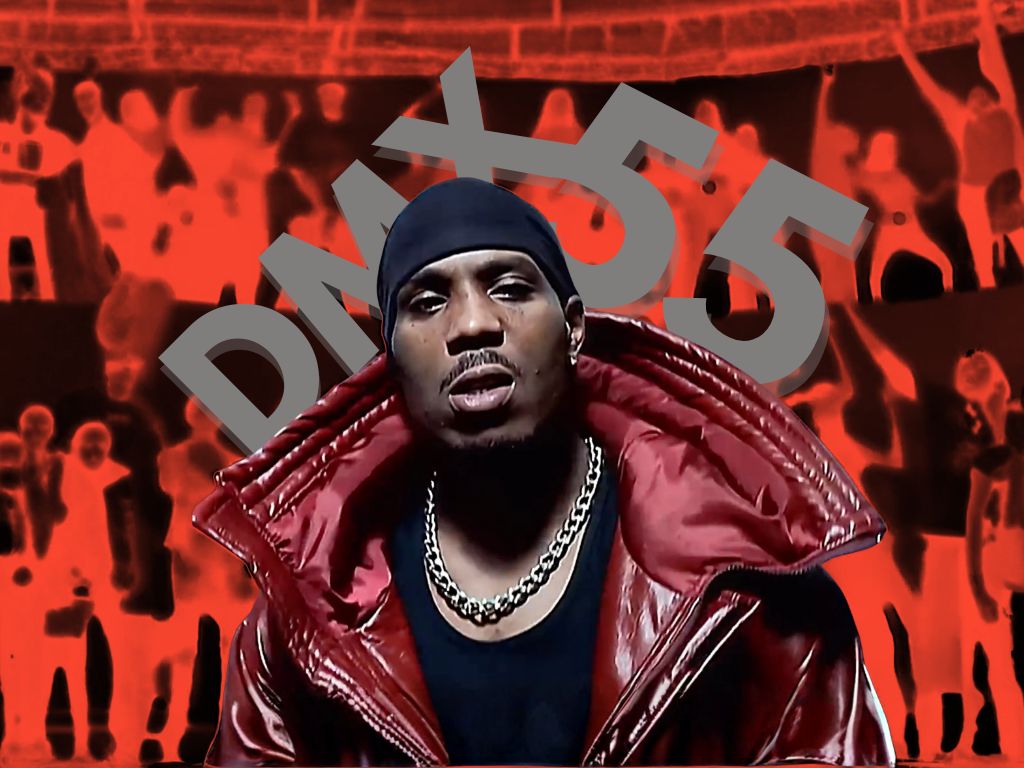
Today, Earl Simmons, the person the world knew as DMX, would’ve turned 55. I rely myself among the many blessed few who stood in his presence when the tradition was shifting, when Hip-Hop was reeling from the deaths of Biggie and Tupac, and a shinier, extra polished sound dominated the mainstream. Out of that vacuum stepped X. He was uncooked, untamed and unapologetically actual. And the person bred in Yonkers, New York one way or the other reshaped Hip-Hop without end.
This was 1998: a pivotal yr, not only for DMX, however for hip-hop’s heartbeat. While shiny aesthetics gained industrial traction, there was a starvation for one thing authentically rugged – for reality delivered with visceral drive. Enter It’s Dark and Hell Is Hot and Flesh of My Flesh, Blood of My Blood. In the identical calendar yr, X dropped two albums that didn’t simply prime charts – they rattled the trade and reoriented its compass towards uncooked emotion and avenue actuality.
I had the privilege of interviewing him a number of instances that yr, which was additionally the yr AllHipHop was born. On the primary event, X wasn’t in interview mode in any respect. Irv Gotti needed to coax him into sitting nonetheless. In basic Dark Man X trend, all he cared about was rapping. Before we even began, he broke out into freestyle. This was not for the digital camera, as a result of there have been no cameras current. It was not for hype or clout. To me, this was as a result of the music lived in him. That vitality, that ferocity, was his reward and his burden.
Hip-hop hasn’t heard a presence like that earlier than or since.
DMX was a person of contradictions, scary one second, tender the following; a warrior wrestling with demons, but religious in methods few dare admit. As he as soon as advised Blackfilm, “Right, wrong, good, bad, heaven, hell. I think that is the theme of my life … you have to know both in order to honestly choose one.”
His spirituality wasn’t superficial. It bled by each album, each “Prayer” monitor, each confession of battle and redemption. He spoke typically of religion not as an adjunct, however as survival: “I’ma shine regardless … the Lord has already written my steps out so no one can do anything to stop it.”
Still, beneath that towering voice and commanding stage presence was a man who knew ache. In later years, whispers about his struggles with habit and fatigue adopted him. Rumors that have been laborious to separate from reality. I keep in mind one interview the place X practically nodded off mid-conversation. My colleague Amanda Seales and I exchanged glances, lastly ending the interview. We voiced concern quietly to Dee from Ruff Ryders, and she or he simply shrugged, saying, “that’s just X” with out additional enlargement on the thought. Life on the sting by no means regarded like anything.
Decades on, I sat down together with his uncle, Ray Copeland, who supplied perception rooted not in headlines however in household historical past. He jogged my memory that X wasn’t lazy or misplaced and even drugged like that. He overworked himself. Ray stated, “He moved in life in a perpetual state of fatigue” — all the time exhausted, residing on brief naps between studio periods, excursions, movies and prayer conferences.
And but, even with all of that depth, he by no means misplaced his human core. Longtime collaborators like Swizz Beatz have spoken publicly about X’s selflessness: “He lived his life for everyone else… you ain’t ever seen him next to a Lamborghini… he didn’t care about that.”
When the world misplaced him in April 2021 at age 50, the mourning wasn’t nearly a rapper. It was a few voice. This was a pure soul keen to show worry, religion, ache and energy with out pretense. Tributes poured in from each nook, from followers to icons like LeBron James, who known as him a “legend” upon his passing.
Yet, for all of the music and recollections he left us, there’s all the time that lingering query: What would’ve been? What heights would possibly he have reached with extra time? What battles would possibly he have gained? I don’t spend on daily basis on that thought, however I really feel it. I do know others do too.
Here’s what I firmly imagine: DMX didn’t die in the best way most legends do. His spirit – that uncooked, electrical, uncompromising drive – didn’t fade. It transcended. It lives in each gritty Hip-Hop venue that refuses to sugarcoat life, in each mini-prayer woven by rhyme, in each artist who dares to talk with out filters. They nonetheless exist.
DMX is infinite.
His music nonetheless slaps. His voice nonetheless reverberates by new generations. Stories of him, all of them, from the humorous and the wild alike preserve coming. And the extra we share them, the extra his legacy breathes.
I nonetheless love a great DMX story. I nonetheless press play on a regular basis and let that bark lower by the noise. Everywhere, the home, the health club, the automotive and past. And yeah — I might love one other interview with him. But what we do have is sufficient to preserve us pondering, feeling, grieving, celebrating, and even rising.
Rest in energy, Earl Simmons. You have been and stay Dark Man X.
This is the primary interview in 1998.
DMX was tremendous drained. This is after he awoke.
DMX made my purchase Henny for this interview. Gina had X speaking about Drake, however I used to be attempting to get his Top 5 Dead or Alive.
Related
Categories News
Tags Chuck Creekmur DMX Eternal Faith Grit HipHop Impact Jigsaw Reflects